Leading Through Uncertainty: What Government Leaders Need to Hear Right Now
Why Government Leaders Are Operating in Terrain They Weren't Trained For
Uncertainty isn't a temporary condition to push through — it's the permanent terrain of leadership today, and the tools most government leaders were trained on weren't built for it. The leaders who navigate it best aren't the ones who project the most confidence, but the ones willing to name what they don't know, invite others into the problem, and build the trust that makes authority mean something.
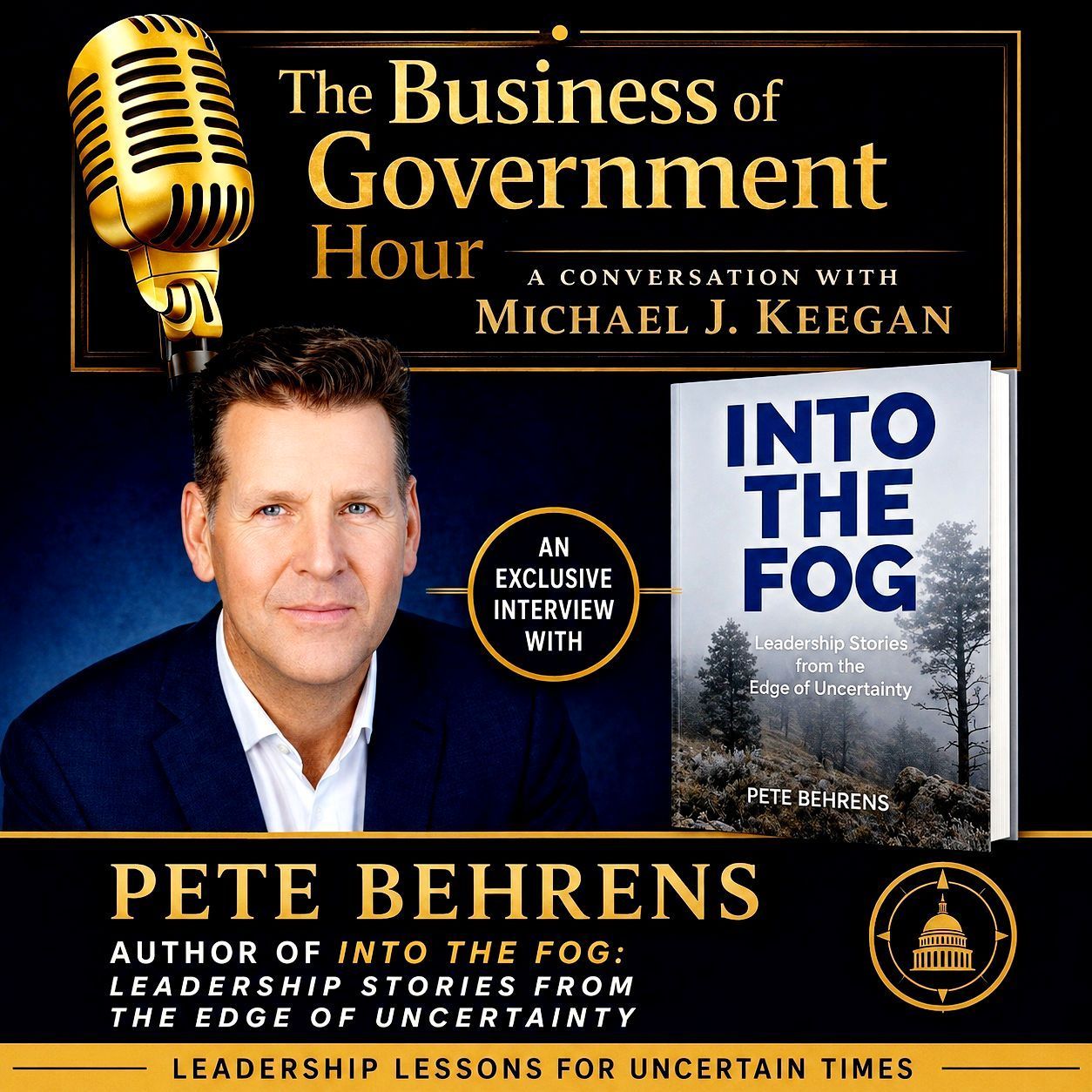
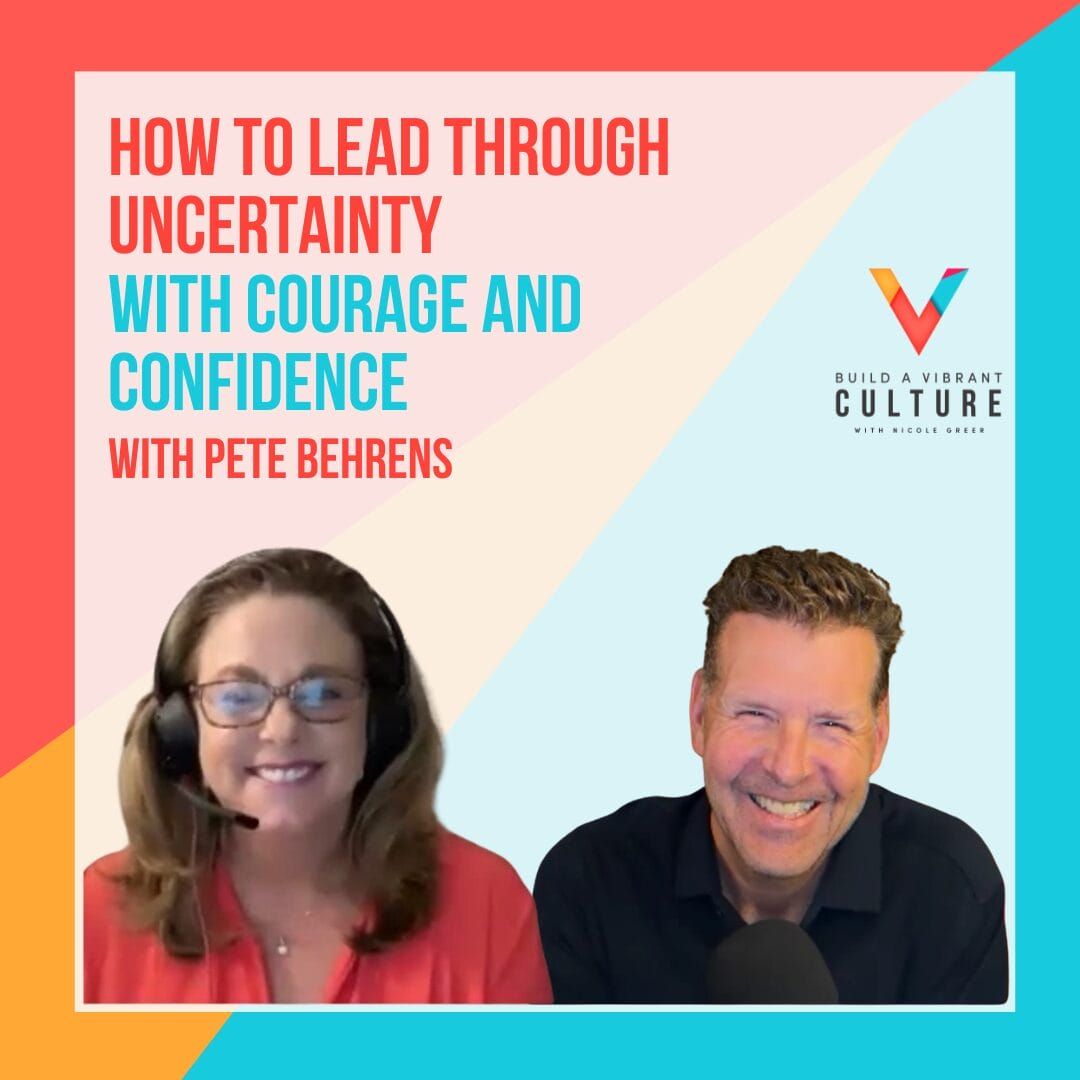
That's the argument Pete Behrens, leadership coach, speaker, and author of Into the Fog, makes in a recent conversation with Michael Keegan on the Business of Government podcast — a discussion with particular relevance for government executives navigating rapid change, public scrutiny, and competing demands.
The Leadership Challenge Has Changed
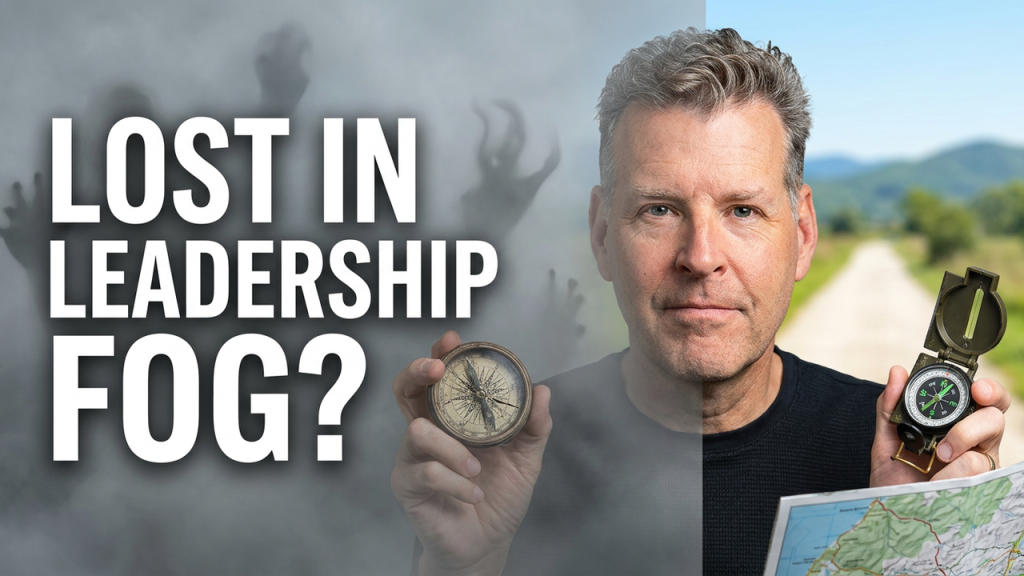
Most leadership thinking prepares people for two conditions: clear skies, where you plan and optimize, and stormy weather, where you act decisively in crisis. Pete argues there's a third terrain — the fog — that most leaders are neither trained for nor paying enough attention to.
"It's not dramatic. It doesn't announce itself. Markets shift, team dynamics change. Things that worked last quarter stop working and you can't explain why."
And yet the natural response — in leaders trained for the other two terrains — is to treat it like one of them. The instinct is to reach for familiar tools — control, certainty, speed. In the fog, those tools make things worse. What's required is slowing down, sensing what's happening, and making decisions without waiting for clarity that isn't coming. For government leaders operating under public accountability and short appointment cycles, that's a harder discipline than it sounds.
The External Fog Is the Easy One
Most leaders are willing to examine the external fog — policy changes, geopolitical instability, stakeholder conflicts. The harder conversation is the one about what's happening on the inside.
Pete describes it as a car window steaming up from the inside on a rainy day. You can't see out — and you may not realize that's what's happening.
In high-accountability environments, leaders who perform confidence rather than build trust tend to create organizations that tell them what they want to hear — the feedback loop they can least afford.
On Authority, Trust, and Leading When Everyone Is Watching
The tension between leading with authority and leading with trust is one government leaders feel constantly. Pete draws a distinction that most leadership conversations skip over: authority is positional — the title, the rank, the formal power. Trust is relational. In complex, high-scrutiny environments, trust is what determines whether authority actually works.
"The best referees know that the relationship I build with the players allows me, when I blow that whistle, for them to trust it and respect it. If I just start blowing that whistle without that relationship, I'm a terrible referee."
In stakeholder-dense environments, positional authority erodes quickly without the trust to back it. The leaders who build trust first find that when they do need their authority, it lands differently.
Uncertainty Doesn't Create the Leader. It Reveals One.
Late in the interview, Pete makes a distinction worth sitting with.
"Uncertainty doesn't create the leader. It reveals the leader."
For government executives operating under scrutiny, short appointment cycles, and the weight of public accountability, that reframes the environment — not as something happening to them, but as something showing them who they are as leaders, and whether the foundation they've built is one that holds.
Pete Behrens | Leadership Insights
Book Pete Behrens for Your Next Event
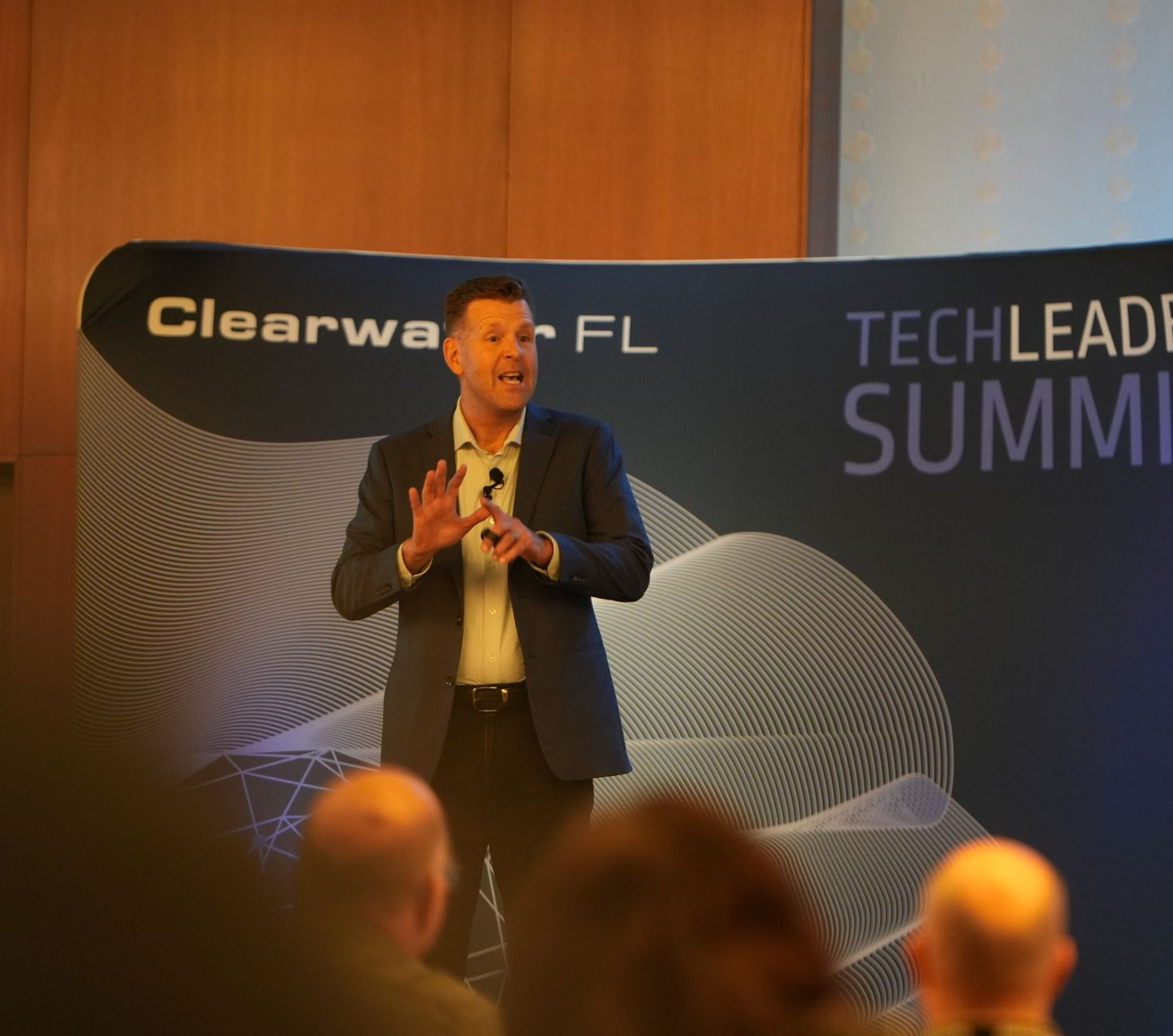
Pete is available for leadership conferences, executive forums, corporate events, and leadership offsites worldwide. He and his team work with you to build something specific to your audience — not a generic talk pulled from a shelf. Curious whether he's the right fit? Let's talk.