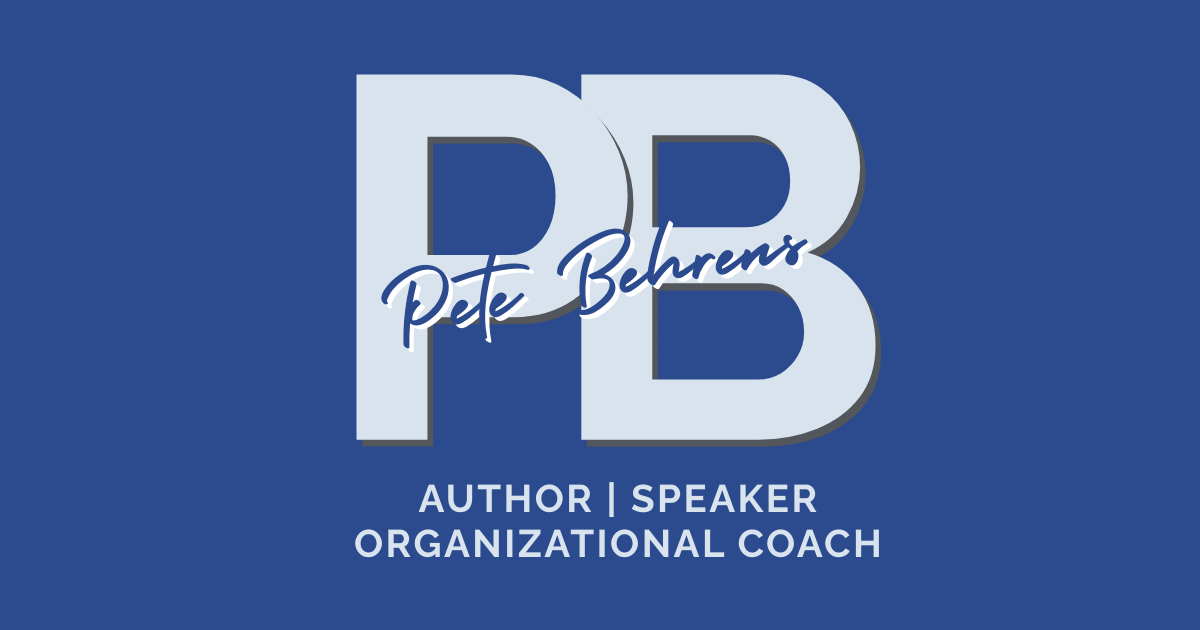
Heat Experiences and Learning Agility with Jasmine Keel
In this Relearning Leadership episode title The Future Leader, Pete and Jasmine Keel—Head of Research and Insights at Swiss Re—explore what research reveals about leadership in turbulent times. Their discussion challenges conventional assumptions about what makes leaders successful.
The Cup Metaphor
Jasmine introduces a powerful metaphor for leadership development: imagine a cup. Most development programs focus on adding content to the cup—digital skills, AI, machine learning. But what increases the size of the cup itself?
The answer: heat experiences. Put yourself in roles where you must drive change and transformation. Work in teams where performance depends on collective success. Don't go for easy jobs.
But heat experiences alone aren't enough. Without reflection, they're wasted. Jasmine shares three daily questions one leader asks: How was I supporting other people today? When was I at my best? What did I learn about myself as a leader?
This combination—challenging experiences wrapped in purposeful reflection—builds what organizations now assess as learning agility: the ability and willingness to learn from experience and apply that learning to new situations.
The Quiet Vision
Pete explores what's changed in leadership requirements. Jasmine's research reveals a shift: "To be the future leader, you don't need to be this dynamic, charismatic, super-cool leader. No, you need a clear, quiet vision and really an understanding of why you get out of your bed and why other people should follow you."
This centered personal purpose acts like the eye of a storm—calm in the center while turbulence swirls around. Swiss Re now takes senior leaders on three-and-a-half-day CEO-sponsored retreats to reflect on heat experiences and refine personal purpose.
The New Social Contract
The conversation turns to connection. Research from Adecco shows 74% of employees want managers to demonstrate empathy and a supportive attitude. Jasmine calls this the new social contract between employees and leaders.
For senior positions, Swiss Re assesses candidates not just through interviews but by calling previous employees, neighbors, even spouses. They're looking for evidence of emotional intelligence that shows up in daily life, not just professional settings.
Eight Emotional Derailers
Pete and Jasmine discuss why CEOs fail. It's rarely about competency—it's about character and lack of self-reflection. Research identifies eight emotional and behavioral derailers that prevent leaders from reaching senior positions:
Arrogance. Charisma complex. Habitual distrust. Aloofness. Volatility. Excessive caution. Perfectionism. Eagerness to please.
Most senior leaders exhibit one to three of these if they haven't explicitly worked to manage them. Positive characteristics can only take you so far—without managing the derailers, you may have already hit your leadership ceiling.
Three Pieces of Advice
Pete asks Jasmine what she'd tell her 18-year-old daughter at the dinner table. Her answer:
Connect as many experiences as you can. Go for experiences that make you uncomfortable—that's where the stretch is.
Don't lose your personal vision on the path. This is what grounds you and helps you emerge as an authentic leader who stands for something.
Strengthen your networks. Have powering partners who bring outside-in perspective. If you don't know, other people might guide, coach, or mentor you.
The conversation reinforces a fundamental shift: leadership development isn't about adding skills—it's about increasing capacity through purposeful challenge and reflection.
Pete Behrens | Leadership Insights
Book Pete Behrens for Your Next Event
Pete is available for leadership conferences, executive forums, corporate events, and leadership offsites worldwide. He and his team work with you to build something specific to your audience — not a generic talk pulled from a shelf. Curious whether he's the right fit? Let's talk.