Navigating the Fog: Four Pillars of Agile Leadership
In this Training Journal feature, Pete explores how leaders can develop agility—one of the most significant meta-skills for operating in highly disruptive environments. The speed and complexity generate a fog that impedes vision and makes planning efforts feel useless.
Agility isn't the antithesis of vision and planning. It's a complementary skill to improve outcomes despite these impediments.
Redefining Agility
Most definitions focus on quick adaptive movement—navigating an obstacle course. But complete definitions include quick adaptive thought: scanning more options and deciding more quickly on a more effective path forward.
Without agility in thought, agility in movement is just wasted energy.
Four Pillars
Be Clear: Keep the Vision
Many see agility as the opposite of vision when it's actually in service to vision. When leaders are unclear about where they're headed, decisions cannot be deemed good or bad because there's nothing to measure them against.
In complex situations, the road ahead becomes foggy. Off-course is only recognizable if there's a plan or vision that keeps people connected. Agile leaders revisit vision more frequently—annual cycles with quarterly, monthly, and bi-weekly sub-cycles to review and adjust.
Be Curious: Open Your Mindset
Vision plays two roles: first as a goal, next as the ability to see in the moment. Agility in action requires the ability to see, discern, and act—all at a moment's notice.
In predictable environments, education and past experiences help decide what to do. In complex situations, they may or may not be helpful. Agile leaders are specialists in scanning their environment, seeing multiple options, engaging others, and taking clear action—all in real-time. They possess an open mindset: open to possibilities, new paths, others' perspectives, and even being wrong.
Be Courageous: Take Bold Steps
Agile leadership is the ability to take action without having all the information. One tenet of agility: learning by doing. In complex environments, experimentation is required and decisions require bold steps into the unknown.
Get comfortable with being uncomfortable.
This doesn't mean being a daredevil. The U.S. military has a saying: "Go slow to go fast." Taking more time to decide the "right" option saves time later spent going down the "wrong" path and having to backtrack.
Be Contemplative: Reflect Frequently
While agile leaders need to see, discern, and act quickly, they also need to reflect. All the time. One of our biggest weaknesses: cognitive bias. We don't see ourselves for who we are.
Incorporate reflection in daily practice. After a meeting, reflect on focus and effectiveness. At the end of the day, reflect on wins and challenges.
For agile leaders, winning means becoming more aware. Even if awareness arrives late, celebrate every time you become aware of something new—that's growth.
Be clear, curious, courageous, and contemplative and you'll grow as an agile leader—but give it time. It requires practice and you'll fail more than you'll succeed. That's okay.
Originally published in Training Journal, December 11, 2023.
Pete Behrens | Leadership Insights



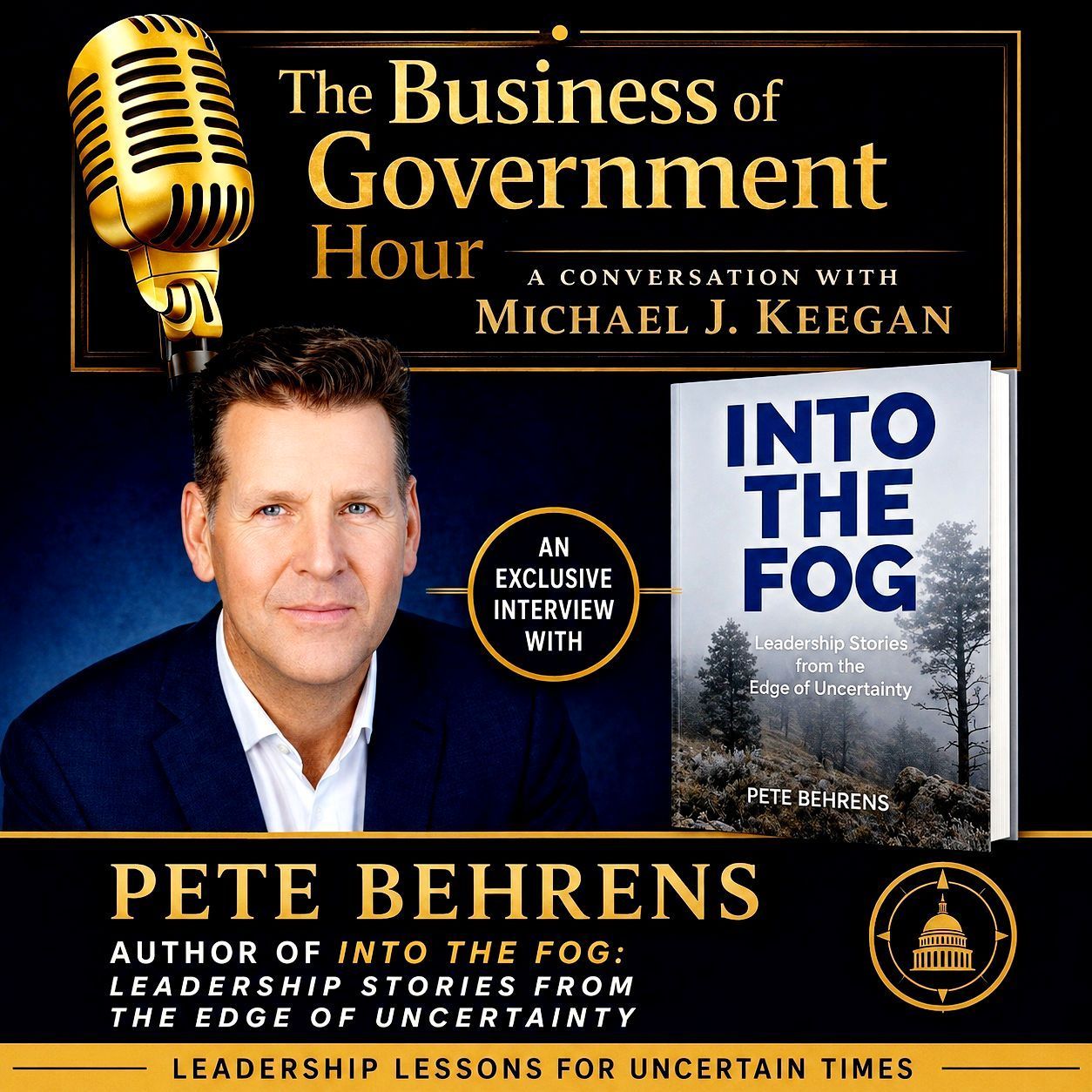
Book Pete Behrens for Your Next Event
Pete is available for leadership conferences, executive forums, corporate events, and leadership offsites worldwide. He and his team work with you to build something specific to your audience — not a generic talk pulled from a shelf. Curious whether he's the right fit? Let's talk.