The Courage and Commitment to Change: Agile by Example
In this keynote at Agile by Example 2023 in Warsaw, Poland, Pete addresses a fundamental question: Why do some organizations "get" agility while others don't?
The answer lies not in techniques or practices, but in courage, commitment, and the activation layer that bridges two different games happening simultaneously.
Two Games, One Organization
Teams adopt Scrum, Kanban, and agile practices. Meanwhile, leadership operates in a different realm with different rules. Pete first noticed this pattern in 2007 while helping organizations implement agile—fifteen years later, the same dynamic persists.
Conferences like Agile by Example attract change agents caught between these two worlds. They're program managers, project managers, and directors sitting on the line between team practices and leadership decisions, feeling the tension most acutely.
Pete calls them the activation layer.
The Activation Layer
Pete challenges the audience directly: "You are the only ones who can make this change because you're the only ones who feel this problem."
Senior leaders feel market pressure, stakeholder pressure, board pressure. That pressure flows to the activation layer. They're the gateway and the bottleneck.
This middle layer experiences the most stress. They're also positioned to make the most difference.
The Mindset Game
Through an interactive exercise, Pete demonstrates how mindset shapes outcomes more than structure or rules. Participants play a simple game revealing different mindsets: competitive (win at all costs), sacrifice (let the other person win), curiosity (why are we even doing this?), and creative (both can win).
The insight: agility isn't just movement—it's the ability to think and understand quickly. Without an agile mindset, agile movement becomes wasted energy, like a dog chasing squirrels.
A 112-Year-Old Insurance Company
Pete shares the story of Amerisure, a 112-year-old insurance company that demonstrated five scrum values in their transformation: courage, openness, focus, commitment, and respect.
They took personal responsibility rather than delegating to consulting firms. They went organization-wide rather than starting small. They made their own recipe rather than following packaged solutions. And crucially, their leaders went into the classroom—not to learn Scrum, but to develop as agile leaders.
The results emerged over four years of continuous investment. Marginal gains compounding year after year. Recognition for innovation in AI and platform services. Culture data showing alignment improving across the organization.
The transformation took courage to change when their backs weren't against the wall, openness to learning something new, focus on innovation rather than agility itself, commitment through four years of reinvestment, and respect for the time and process required.
The Moral
The story's moral isn't that senior leaders are required for transformation. It's that any leadership team—any group with the courage, openness, focus, commitment, and respect—can make these changes.
It started because someone living on the line had the courage to invite leaders to that first session.
Pete closes by asking the audience to identify one thing they might do after leaving the conference to help break the line down, to help someone cross it, to bridge the gap between the games teams play and the games leaders play.
Watch the Full Keynote
Keynote delivered at Agile by Example 2023, Warsaw, Poland
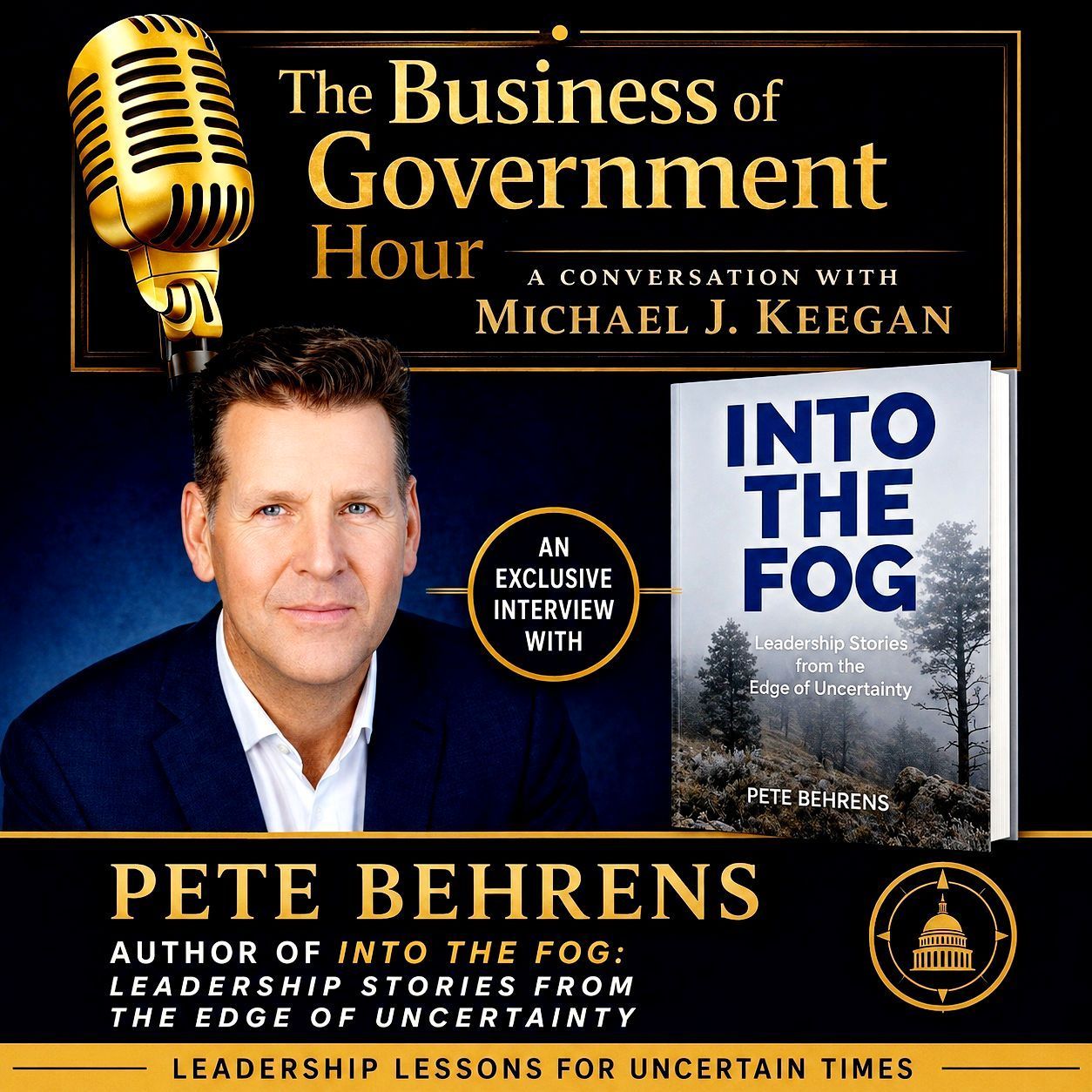
Pete Behrens | Leadership Insights
Book Pete Behrens for Your Next Event
Pete is available for leadership conferences, executive forums, corporate events, and leadership offsites worldwide. He and his team work with you to build something specific to your audience — not a generic talk pulled from a shelf. Curious whether he's the right fit? Let's talk.